
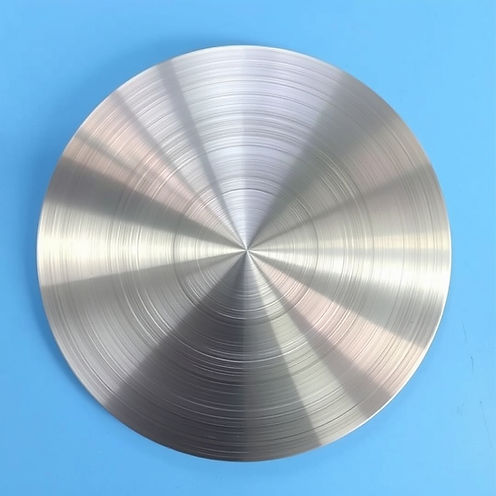
Titanium and stainless steel are both reliable materials in the manufacturing world today, but have different applications. One performs better because of weight; the other is a more economical choice or more easily made because of fabrication. Focusing solely on strength doesn’t necessarily tell the whole picture. Typically, industrial buyers make their buying decisions based on a few technical details. When it comes time to choose materials for tough manufacturing environments, as companies do with a Metal powder supplier USA, they tend to do the same.
Compare Material Strength
Strength is important, but it is always considered in conjunction with the specific requirements of the application. Titanium has an exceptional strength-to-weight ratio, which is beneficial in situations where it will help to save efficiency. Many industrial systems can be created from stainless steel with minimal design changes and have good structural properties. Engineers usually make comparisons of the loads they expect before determining which material would be better. By doing so, that process not only prevents extra expenses but also ensures sustainable production capabilities in the long run.
Examine Weight Factors
When equipment is moved frequently or its design is constrained, weight differences come into play. Titanium is significantly lighter than stainless steel but has good mechanical properties. That lighter construction is a benefit to industries in which the entire system weight reduction is measurable and has operational benefits. As long as additional weight is not a factor, stainless steel is a good choice. Often, the density of a range of materials made by Powder metallurgy is assessed by the manufacturers, as the properties of the manufactured articles affect the engineering outcome.
Review Corrosion Resistance
Moisture, chemicals, temperature fluctuations and other harsh conditions can cause exposure to materials in industrial environments over time. Titanium is very corrosion-resistant in a lot of severe environments, particularly those that are constantly exposed to chemicals. Stainless steel also works quite well, with varying degrees of corrosion resistance depending on the type of steel used. A more valuable guide to purchasing materials is gaining an understanding of the operating environment before it is bought than comparing general performance ratings listed in product catalogs.
Consider Fabrication Ease
Technical performance is not the only driver for material selection manufacturing processes can be as important. For a number of industrial applications, stainless steel is easier to machine, weld and form. With its distinctive mechanical properties, titanium may need different tooling, machining speeds and fabrication processes. The costs of production are not only related to the engineering features of the metal powder but also to the practicality of the production process. This is why companies often have to take into account the processing efficiency when choosing a Metal powder supplier USA.
Match Application Needs
The two materials may not be ideal for all industrial applications. Titanium is a good choice for aerospace manufacturers because it has been shown to make equipment more efficient by making it lighter. Durability and affordability continue to be significant factors for food processing facilities, construction projects and industrial machinery. Stainless steel is still the preferred material for food processing facilities, construction projects and industrial machinery for durability and affordability. Choosing materials that meet specific operational requirements is more likely to produce a long-lasting performance than picking them based on a few individual technical comparisons.
Evaluate Long-Term Costs
The first cost of a project is just one of the total costs. Operability, replacement, maintenance schedules and fabrication also play a part in the value for the long haul. Titanium is typically more expensive, but it can save on the weight cost in certain applications. Stainless steel is a material that can provide a good compromise in terms of price and reliability. In fact, businesses making Powder metallurgy materials routinely have to consider their total lifecycle costs, rather than just make upfront pricing decisions.
Check Technical Support
Reliable suppliers make it easier to select materials by offering technical documentation, certifications, and application information prior to purchase. Specifications can help engineers make more confident decisions when planning a project, as they can compare the available options in detail. Responsive technical support will also be able to answer the questions about machining, tolerances or material compatibility. Good supplier knowledge often minimizes production delays that may arise because of inaccurate engineering information, and informed purchasing decisions start with good supplier knowledge.
Conclusion
Strength, weight, corrosion resistance, fabrication needs and overall project costs should be taken into consideration when deciding between titanium and stainless steel rather than just one performance attribute. Regmetals.com is the place for manufacturers to get industrial metals, powder metals and special engineering products for all kinds of manufacturing processes. When considering purchasing, carefully review technical specifications to maximize manufacturing efficiencies and aid in long-term purchasing decisions. Comparing actual project needs will always result in better informed selection of industrial materials.
